Website Strategy7 min read
Why Your Builder Website Isn't Getting You Leads (And What to Fix)
Most custom home builder websites look fine but generate zero inquiries. Here's what's actually going wrong — and the fixes that turn a digital brochure into a lead engine.
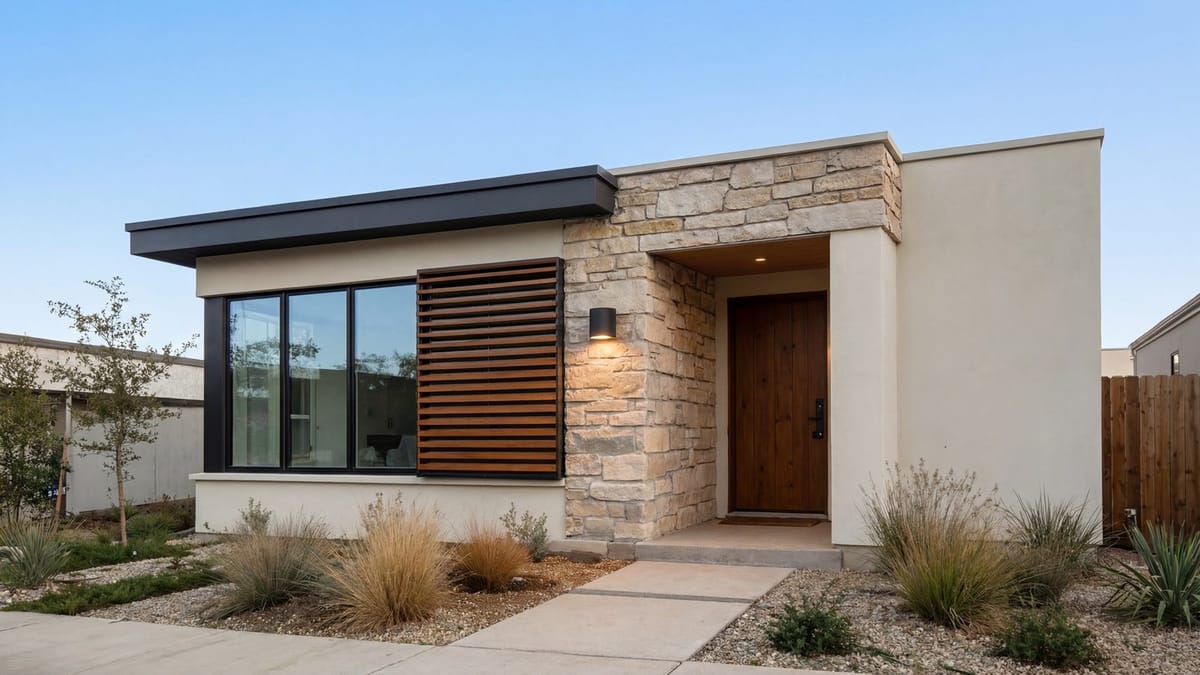
You built a great website. Or at least, you paid someone to build one. It's got photos of your projects, a page about your company, and a contact form somewhere at the bottom. Maybe it even looks pretty good.
So why is your phone not ringing?
This is the most common frustration we hear from custom home builders. They invested in a website — sometimes $10K, $15K, even $25K — and it sits there like a digital business card that nobody picks up. Meanwhile, the leads keep coming from the same place they always have: referrals, word of mouth, and Houzz.
The problem isn't that websites don't work for builders. The problem is that most builder websites are built wrong — optimized for how the builder thinks about their business, not how a potential client shops for one.
Here are the five most common reasons your website isn't generating leads, and what to do about each one.
1. Your site is a portfolio, not a sales tool
Most builder websites are structured like an art portfolio: a grid of pretty photos, an "About" page with your company history, and a contact page. That structure makes sense if you're a photographer looking for gallery representation. It doesn't make sense if you're trying to convert a homebuyer who just typed "custom home builder near me" into Google.
A portfolio shows your work. A sales tool guides a visitor from curiosity to action. The difference is intentionality — every page, every section, every image should be moving someone closer to reaching out.
What to fix: Your homepage needs to answer three questions within five seconds: What do you build? Where do you build it? How does someone get started? If a visitor has to click around to figure that out, you've already lost them. Lead with a clear headline about what you do and who you do it for, show your best work immediately, and make the next step obvious — not buried in a footer.
2. You have no lead capture beyond "Contact Us"
A single contact form on a single page is not a lead capture strategy. It's a suggestion box.
Think about how a premium homebuyer actually shops for a builder. They're months away from breaking ground. They're browsing multiple builders' sites in the same sitting. They're comparing project photos, reading about processes, and trying to figure out who feels right. They're not ready to fill out a form that says "Tell us about your project" — they barely know what their project is yet.
Most builder websites offer exactly one conversion point: a contact form that asks for a project description, timeline, and budget. That's like asking someone to commit to a $2M decision on a first date.
What to fix: Create multiple, low-commitment entry points. A "See what your site could look like" offer. A downloadable guide to the custom home process. A simple "Get in touch" form that asks for just a name and email — no project details required. Put these calls to action throughout the site, not just on one page. Every project photo gallery should end with a prompt. Every process explanation should lead somewhere.
The goal isn't to close a deal on your website. It's to start a conversation.

3. Your site doesn't show up in search
Here's a stat that should bother you: "custom home builder near me" gets over 22,000 searches per month in the U.S. "Luxury home builder" gets another 6,600. If your website doesn't appear on the first page of Google for your market, those potential clients are finding your competitors instead.
Most builder websites have almost no SEO foundation. No meta descriptions. No schema markup. No location-specific content. No blog or resource section that could rank for the dozens of questions homebuyers ask before they ever pick up the phone.
And it's not just Google anymore. Homebuyers are increasingly asking ChatGPT, Perplexity, and other AI tools for builder recommendations. If your website isn't structured in a way that AI can read and reference, you're invisible in an entirely new channel.
What to fix: At minimum, every page needs a unique title tag and meta description with your location and service type. Your site needs schema markup that tells search engines you're a local business. And you need content — articles, project stories, guides — that targets the questions your ideal clients are actually searching for. "What does it cost to build a custom home in [your city]?" is one of the highest-intent searches in your industry, and almost no builders have a page that answers it. For where to start, see SEO for custom home builders and how to show up when someone searches "custom home builder near me".
4. Your site isn't built for mobile
More than 60% of web traffic comes from phones. For local service searches like "home builder near me," it's even higher. If your website doesn't load fast, look sharp, and function smoothly on a phone screen, you're turning away the majority of your visitors before they see a single project photo.
This isn't just about responsive design — most modern templates are technically responsive. It's about the mobile experience being intentional. Are your project photos full-width and easy to swipe through? Is your phone number tappable? Can someone fill out your contact form without pinching and zooming? Does your site load in under three seconds on a cellular connection?
What to fix: Test your site on your own phone right now. Try to find your best project, read about your process, and submit a contact form. Time it. If any of that takes more than a minute or feels clunky, your mobile visitors are having the same experience — and leaving.
5. Your website is a one-time project, not a living platform
This might be the biggest issue. Most builders treat their website like a construction project: you build it, you finish it, you move on. Maybe you update the project photos once a year. Maybe you had a blog that got three posts in 2022 and hasn't been touched since.
But a website that works as a lead engine needs to be maintained. Fresh project stories signal to Google that your site is active. Updated content gives repeat visitors a reason to come back. New landing pages for specific markets or services help you rank for more searches over time.
The builders who get consistent leads from their website aren't the ones with the fanciest design. They're the ones who treat their site as an ongoing channel — updating it regularly, adding content, and refining based on what's actually bringing people in.
What to fix: Your website needs a partner, not a one-time vendor. Whether that's an internal marketing hire, a retainer with an agency, or a platform that handles updates for you — someone needs to be keeping your site alive. The builders who do this consistently outperform the ones who don't, regardless of how much they spent on the initial build.
The bottom line
Your website isn't broken because you chose the wrong template or the wrong photos. It's broken because it was built as a finished product instead of a working tool. The fix isn't a redesign — it's rethinking what your website is supposed to do.
It should capture leads, not just display work. It should show up in search, not just exist on the internet. It should guide visitors toward a conversation, not wait passively for them to reach out. And it should grow with your business, not sit unchanged for years.
That's the difference between a website and a platform. And it's the difference between hoping for referrals and building a pipeline.
By Grid+Mark Teambuilder website · lead generation · conversion · contact form
Related articles

Website Strategy9 min read
Builder Website Teardown: What the Best Sites in the Industry Get Right
A builder website teardown of the patterns top custom home builders share — full-bleed galleries, process timelines, video testimonials and clean navigation.
Website Strategy8 min read
How Long Should It Take to Launch a Builder Website?
How long does a builder website take to launch? DIY, custom agency builds and done-for-you platforms compared, plus the four things that set your timeline.
Website Strategy2 min read
How a Project Portfolio Turns Browsers into Buyers
Your portfolio is not a photo album. Structured the right way, it does the qualifying, the storytelling and the first sales conversation for you.