Industry Insights7 min read
What Premium Homebuyers Actually Look for on a Builder's Website
You think clients care about your awards and company history. They don't — at least not first. Here's what high-end homebuyers actually evaluate when they land on a builder's site.
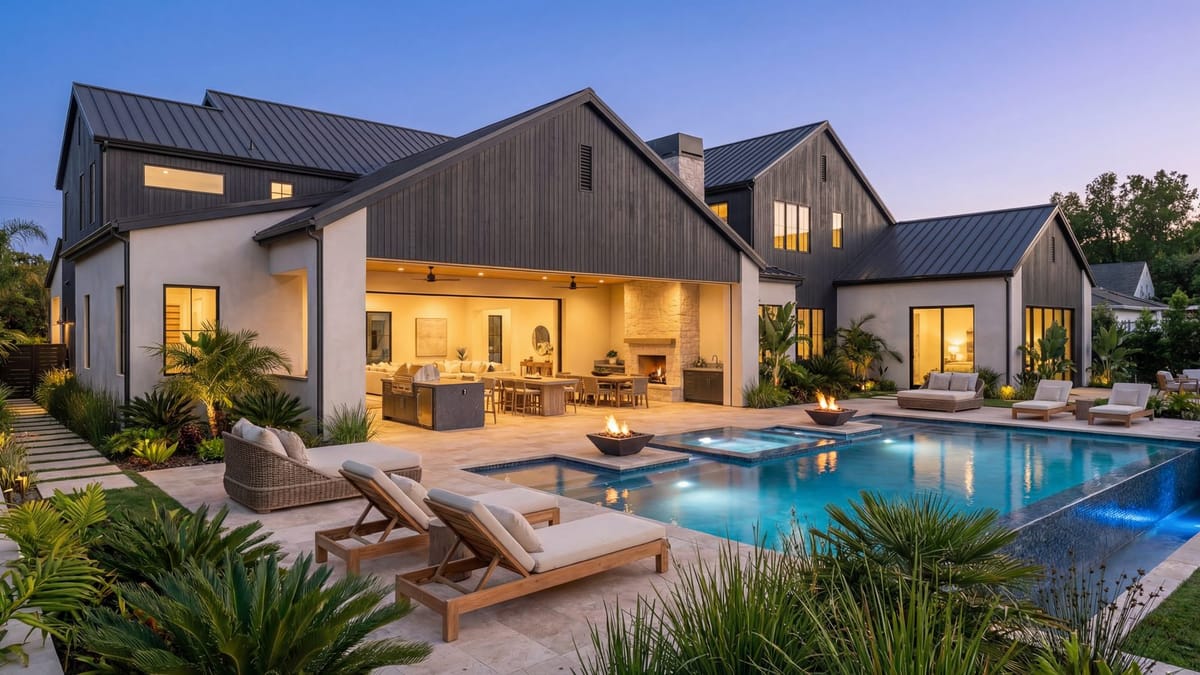
When a homebuyer is considering a $1.5M to $5M custom build, they don't shop the way they shop for anything else. They're not comparing prices on a spreadsheet. They're not reading Yelp reviews. They're doing something much more instinctive — they're trying to figure out whether you're the right fit for the most expensive, most personal purchase of their life.
And increasingly, that evaluation starts on your website.
The challenge is that most builder websites are designed around what the builder wants to show — awards, years in business, a grid of completed projects. But the premium homebuyer is looking for something else entirely. They're reading between the lines, looking for signals that tell them whether you understand their world.
Here's what they're actually evaluating.
They want to see work like theirs
This sounds obvious, but most builders get it wrong. A homebuyer considering a modern hillside build in Scottsdale doesn't just want to see that you've built nice houses. They want to see that you've built houses like the one they're imagining — in a similar style, at a similar scale, on similar terrain.
This is why a generic project grid doesn't work for premium clients. Showing thirty projects in a tile layout forces the visitor to click through each one, hoping to find something relevant. By the fifth click, they've moved on.
What works instead: organized, curated project presentations. Group your work by style — modern, transitional, farmhouse, traditional — or by project type — new construction, major renovation, estate property. Let visitors self-select into the work that matches their vision. Then give each project real depth: not just beauty shots, but the story of the build. What the client wanted. What challenges you solved. What the space feels like to live in.
A premium client isn't just evaluating your craftsmanship. They're evaluating your taste. Your project portfolio is where they make that judgment.
They want to understand your process
A $3M custom home takes twelve to eighteen months to build, involves hundreds of decisions, and requires a level of trust that most business relationships never reach. A potential client's biggest fear isn't that you'll build a bad house. It's that the process will be a nightmare — delays, surprises, cost overruns, poor communication.
Your website needs to address that fear directly.
The builders who convert the best online are the ones who clearly explain how they work: what happens after the first call, how design decisions get made, how budgets are managed, how communication works during construction, and what happens when something goes wrong (because something always goes wrong).
This doesn't need to be a twenty-step timeline. It can be a simple, honest explanation of your process in four or five stages. But it needs to be there, and it needs to feel confident — not defensive. A builder who can clearly articulate their process signals competence. A builder who skips this section signals that they either haven't thought about it or don't want you to ask.
They want proof that you're real
Premium homebuyers are sophisticated. They know that any builder can put nice photos on a website. What they're looking for is evidence that you're a real, active, credible operation — not a guy with a contractor's license and a Squarespace site.
The signals that matter:
Project detail. Are your project pages specific? Do they mention the neighborhood, the square footage, the architectural style? Or are they vague, with four photos and no context? Specificity signals legitimacy.
Recency. When was your last project completed? If the newest work on your site is from 2021, a visitor assumes you're either not busy or not maintaining your online presence. Neither is a good look for a premium builder.
Social proof from the right sources. Awards are fine, but what premium clients trust most is evidence that people like them chose you. A testimonial from a homeowner who built a $2M waterfront property carries more weight than a "Best of Houzz" badge. If you can get video testimonials, even better — they're nearly impossible to fake, and they let a potential client hear directly from someone who went through the process.
A real team page. Not stock photos of people in hard hats. Real photos of your actual team — the project manager who'll run their build, the designer who'll help with selections, the superintendent who'll be on site every day. A premium client is about to spend years working with these people. Let them see who they are.
They want to feel something
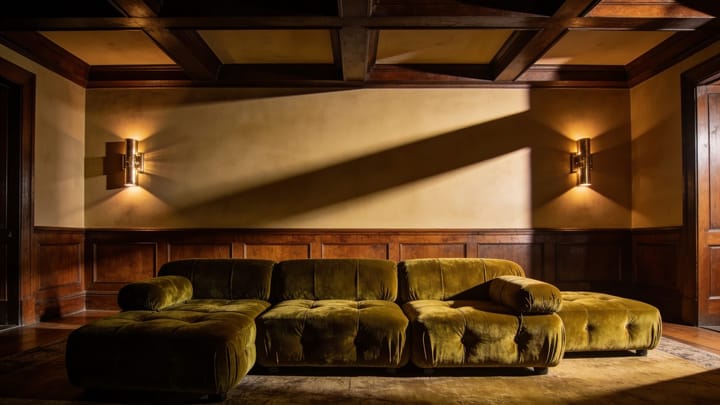
This is the one most builders miss entirely. A premium homebuyer isn't making a rational, feature-by-feature decision. They're making an emotional one. They're imagining their family in this home. They're picturing dinner parties, holidays, the view from the primary bedroom. They're buying a lifestyle, not a structure.
Your website needs to create that feeling. And it's not about adding drone footage or moody music. It's about photography, copywriting, and design that feel intentional and elevated — that match the quality of the homes you build.
If your website looks like it was built with a $200 template and stock photography, it sends a signal: this builder doesn't pay attention to the details. And that's the last thing a premium client wants to hear from someone who's about to build their home.
The visual quality of your website is a direct proxy for the quality of your work. Fair or not, that's how buyers evaluate you. A beautifully designed, well-photographed, carefully written website tells a client: this builder cares about craft at every level, including how they present themselves.
They want an easy next step
Premium homebuyers are busy. They're executives, business owners, professionals with demanding schedules. If your website's only call to action is a contact form that asks them to describe their project in detail, most of them won't bother.
The path from "I'm interested" to "I'm in touch" should take less than thirty seconds. A short form — name, email, maybe a phone number. A clear message about what happens next: "We'll reach out within 24 hours to schedule a brief introductory call." No ten-field forms. No "tell us your budget and timeline." That comes later, in conversation, once you've earned their attention.
Some builders go a step further and offer a specific, low-commitment entry point: a complimentary site visit, a design consultation, or even a custom project lookbook based on the client's style preferences. These work because they give the client something valuable before asking for commitment.
What this means for your website
If you're a custom home builder serving premium clients, your website isn't competing with other builder websites. It's competing with the last beautiful, well-designed digital experience your potential client had — the boutique hotel site they booked from, the luxury car configurator they played with, the high-end retail brand they browsed.
That's the bar. Not because homebuyers explicitly compare your site to those experiences, but because those experiences set their baseline expectation for what a premium brand feels like online.
If your clients sit at the top of the market, we go deeper on this in what a $2M custom home client expects from your online presence.
Your work is extraordinary. Your website should be too.
By Grid+Mark Teampremium homebuyers · builder website · project portfolio
Related articles
Industry Insights9 min read
What a $2M Custom Home Client Expects From Your Online Presence
A $2M custom home client judges your builder website before they ever call. Here's what high-end buyers notice online — and what quietly disqualifies you.
Industry Insights8 min read
Why Your Houzz Profile Isn't Enough Anymore
Houzz was the go-to for builders for years. Here's why relying on a Houzz profile alone costs you leads — and why your own website should be the foundation.
Website Strategy2 min read
How a Project Portfolio Turns Browsers into Buyers
Your portfolio is not a photo album. Structured the right way, it does the qualifying, the storytelling and the first sales conversation for you.